







Search Results for: G20 summit

Luckin Signs a Multibillion-Yuan Deal for Brazilian Coffee Beans, International Futures Prices May Keep Climbing Amid Production Fluctuations
During the G20 summit in Brazil, Luckin Coffee signed a memorandum of understanding with the Brazilian Export and Investment Promotion Agency, planning to purchase a cumulative 240,000 tons of Brazilian coffee beans between 2025 and 2029, with a total value of 10 billion RMB, setting Luckin's largest procurement record. At the same time, Brazil's coffee industry is facing production uncertainty brought by extreme weather: although the current sales pace has accelerated and exports have hit a record high, drought and fires have already damaged the new crop season, multiple institutions have lowered production expectations, and international coffee futures prices have continued to climb. This article will outline the key points of the agreement, Brazil's sales dynamics, and the impact of weather on the supply and demand landscape. [more…]

Why are the flavor differences between pour-over and cold brew so striking? Will the acidity of Kenyan beans stand out in cold brew?
Pour-over and cold brew are two common ways to enjoy single-origin coffee in daily life, but the same coffee beans extracted using different methods can present wildly different flavor profiles. This article takes Front Street Coffee's Kenya Little Tomato as an example, preparing both pour-over and cold brew for a comparative tasting. It analyzes the root causes of the differences from three dimensions—extraction method, coffee-to-water ratio, and water temperature—and explains why the distinctive fermented aroma and smooth mouthfeel of cold brew cannot be replaced by pour-over. It also recommends floral and fruity beans suitable for both methods, such as Front Street Coffee Strawberry Candy, Front Street Coffee Mozart, and Front Street Coffee Sidra, helping enthusiasts understand the two extraction logics more clearly. [more…]
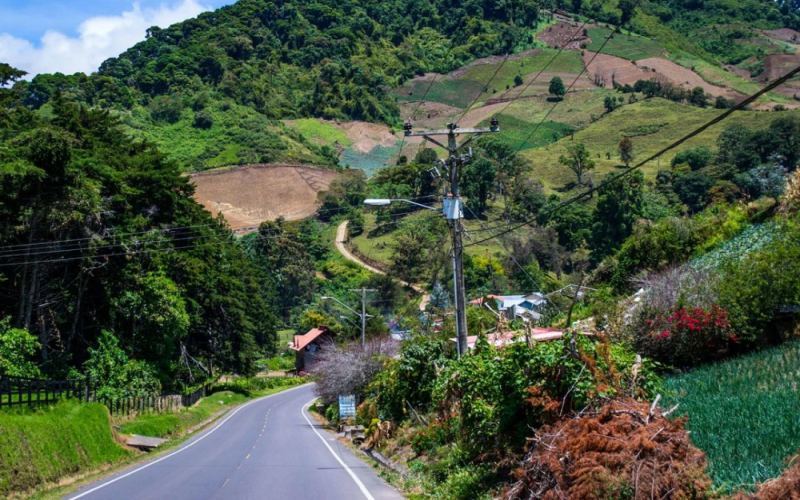
At the Summit of Panama: A Complete Analysis of Finca Deborah Geisha Coffee and a Reveal of the Savage Series Flavors
On the map of Panama's specialty coffee, Geisha is undoubtedly the shining star, while Finca Deborah, with its unique position as Panama's highest-altitude estate, writes a legend of its own. Estate owner Jamison Savage transitioned from banker to coffee farmer, and in the primeval forest above 1,900 meters, he spent more than a decade turning the impossible into the possible. In addition to Finca Deborah, he also owns Finca Morgan and the Savage Coffee project, continuously producing high-quality Geisha. This article takes you deep into Finca Deborah's terroir and processing methods, and features a tasting of the Savage series Geisha sourced by Front Street Coffee, covering everything from cupping flavors to brewing parameters. [more…]
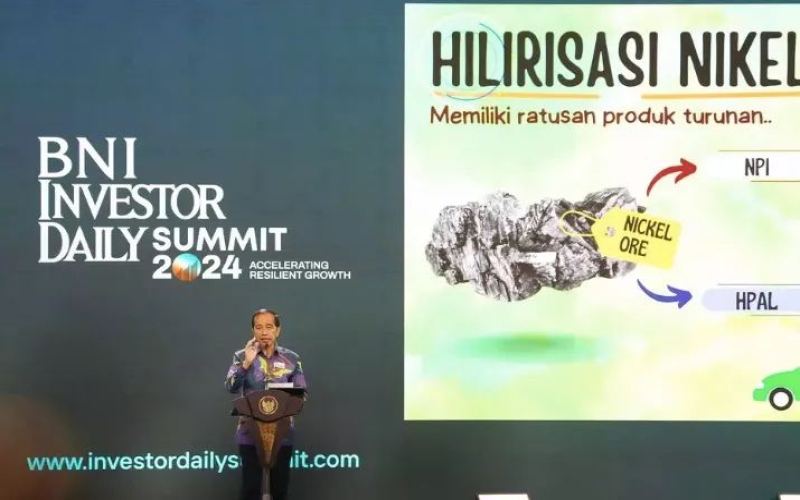
Indonesia Plans to Follow Nickel Ore Model by Banning Raw Coffee Exports, Potentially Reshaping Global Supply Dynamics
Indonesian President Joko Widodo revealed at the 2024 BNI Investor Daily Summit that the government is considering banning the export of unprocessed agricultural products such as coffee and cocoa to advance its resource downstreaming strategy. If implemented, this policy will directly affect the export volume of the world's fourth-largest coffee-producing country, thereby driving up international coffee prices. It is worth noting that Jamaican Blue Mountain coffee had a similar precedent, but it was eventually relaxed due to trade liberalization. Indonesia's domestic consumption is robust, with exports accounting for more than half, and whether the deep-processing policy can be smoothly implemented remains in question. This article reviews the policy background, historical cases, and market impact for the reference of coffee enthusiasts. [more…]

Mixue Ice Cream & Tea opens a store atop Mount Tai, prices only one yuan higher, and netizens are abuzz with discussion.
Recently, the news that Mixue Ice Cream & Tea opened a store at the summit of Mount Tai has sparked widespread attention. In the video, the Snow King looks smug after reaching the top, then shares photos of the Mount Tai store's renovation. What sparked the most discussion among netizens is that this store, located at the peak of Mount Tai, charges only one yuan more than those at the foot of the mountain. As coffee enthusiasts, we might as well use this phenomenon to discuss the strategies of coffee and tea beverage brands setting up locations in scenic areas. At the same time, Front Street Coffee continues to follow industry trends and bring readers professional insights. [more…]
Why Is Liberica Coffee So Rare? Characteristics, History, and Pour-Over Flavor Analysis of the Large-Bean Coffee
Among the three major coffee varieties, Arabica and Robusta dominate the mainstream trading market, while the large-beaned Liberica accounts for only about 1% of global economically cultivated coffee production, making it quite rare. This time, Front Street Coffee (FrontStreet Coffee) will introduce Liberica: its plant morphology, fruit characteristics, disease-resistant advantages, and why it is more labor-intensive in post-processing. The article will also sort through its semi-wild cultivation history in Borneo, as well as its appearance and award-winning experience at the 2018 Stuttgart Coffee Summit in Germany. Finally, it will include Front Street's sun-dried Liberica hand-brewing parameters and flavor description to help you fully understand this niche coffee variety. [more…]
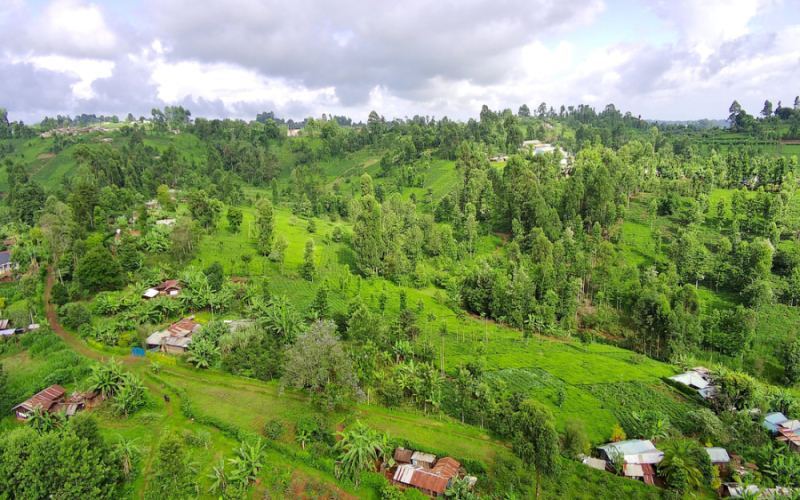
What is the difference between Kenya AA and AB coffee beans? A detailed explanation of the Kenyan coffee grading system and pricing logic
Kenyan coffee is famous for its intense berry notes and solid mouthfeel, but when faced with grading labels like AA and AB, many people are not clear about what they actually represent. From the perspective of Front Street, this article systematically sorts out Kenya's seven major producing regions, the origins and flavor differences of the main varieties SL28 and SL34, analyzes the unique features of Kenya's 72-hour washed processing method (K72), and explains in detail the bean size standards and cup quality differences of grades such as AA, AB, and PB. At the same time, it also includes Front Street's roasting curve, cupping report, and brewing parameters for AA TOP from the Asali processing station in the Thika region, helping coffee lovers fully understand the complete logic of Kenyan coffee from origin to cup. [more…]
Flavor Analysis of Jamaican Blue Mountain Clifton Estate Coffee Beans: Origin Altitude Restrictions, Historical Origins, and Tasting Experience
Jamaican Blue Mountain coffee is especially precious due to its strict altitude requirements and export controls. This article will guide you through the rules defining Blue Mountain coffee's origin, the cultivation history of Clifton Estate since the 18th century, and the cupping flavor profile of Blue Mountain beans from the new 2015 crop. From the restricted zone at 1,500 meters above sea level to the differences between Blue Mountain coffee and High Mountain beans, and on to the tasting experience woven with floral and fruity notes, Front Street Coffee lays out for you multiple perspectives on whether Blue Mountain coffee is worth trying, making it suitable reading for every coffee lover curious about the Blue Mountain flavor. [more…]
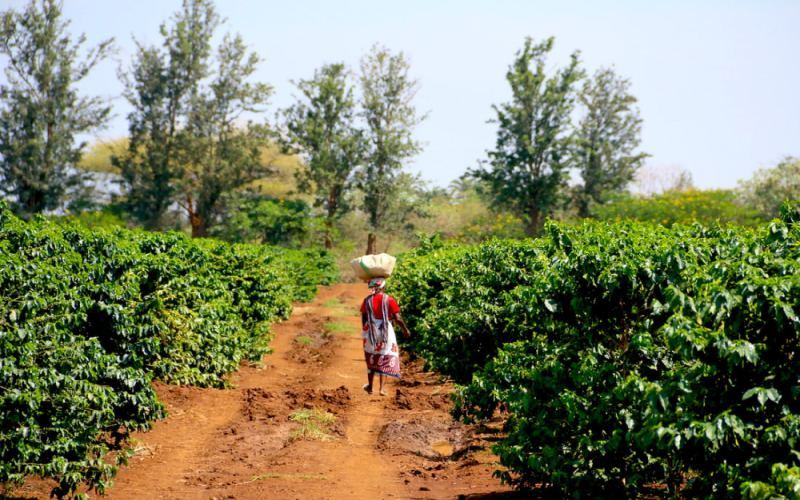
Tanzania Coffee Growing Regions and Flavor Profiles: A Comprehensive Analysis from Kilimanjaro to the Southern Highlands
Although Tanzania is less famous than Ethiopia and Kenya, it ranks among Africa's three major coffee giants thanks to its unique terroir. This article systematically reviews the geographical distribution, historical context, and industry status of Tanzanian coffee, with a focus on the growing environment and coffee flavors of core producing regions such as Kilimanjaro. It also combines Front Street Coffee's Tanzanian Kilimanjaro coffee beans to analyze the soft acidity, citrus, berry, honey, and nut flavors, as well as the balanced tea-like mouthfeel brought by its Typica variety and washed processing, helping coffee lovers gain a comprehensive understanding of the coffee charm of this East African producing country. [more…]

Exploring Honduras' Sweet Orange Estate: The Rise of High-Altitude Specialty Coffee and the Secret to Its Frequent Wins at the Cup of Excellence
Honduras has performed impressively on the international coffee stage in recent years, with its export volume now ranking third in Latin America and fifth globally. From early industry lag to today's frequent emergence of specialty coffees, this Central American country has completed a remarkable transformation. Among them, El Naranjo estate, located in the Marcala region, has become one of the representative estates of Honduran specialty coffee thanks to its high altitude of 1,800 meters, the careful cultivation of Catuai and Geisha varieties, and its strong track record of multiple Cup of Excellence (COE) awards. Front Street Coffee takes you on an in-depth look at this estate, named after the orange trees used for shade, exploring its flavor characteristics, management philosophy, and sustainable development practices. [more…]
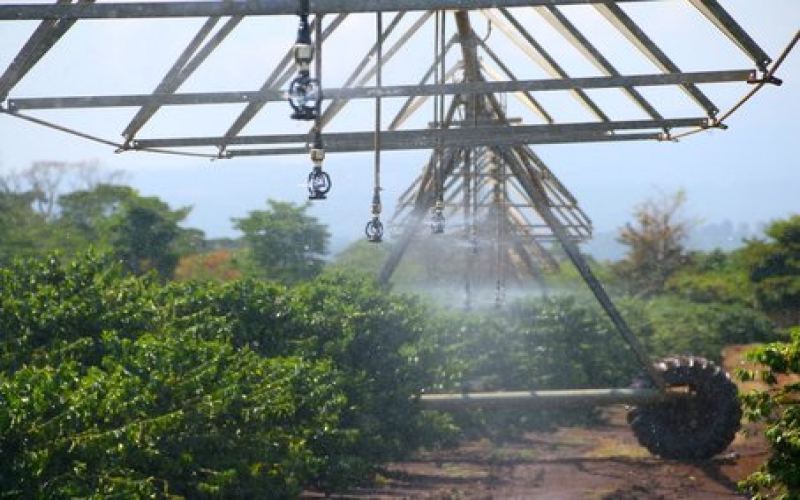
East African Tanzanian AA Kilimanjaro Coffee: From Regional History to Washed Processing and Pour-Over Parameter Analysis
Tanzania and Kenya are both located in East Africa, and each has its own following among specialty coffee enthusiasts, but the former's flavors often come across as softer and more gentle. From Front Street's perspective, this article sorts through the introduction history of Tanzanian coffee, the cooperative system, and the terroir conditions of the Kilimanjaro growing region, introduces the local predominantly washed processing methods, and offers Front Street's pour-over extraction recommendations for a Kilimanjaro AA lot of Typica, including dripper, water temperature, coffee-to-water ratio, and the rhythm of staged pouring, to help coffee lovers understand why this bean presents interwoven layers of citrus, berry, honey, and tea-like notes. [more…]
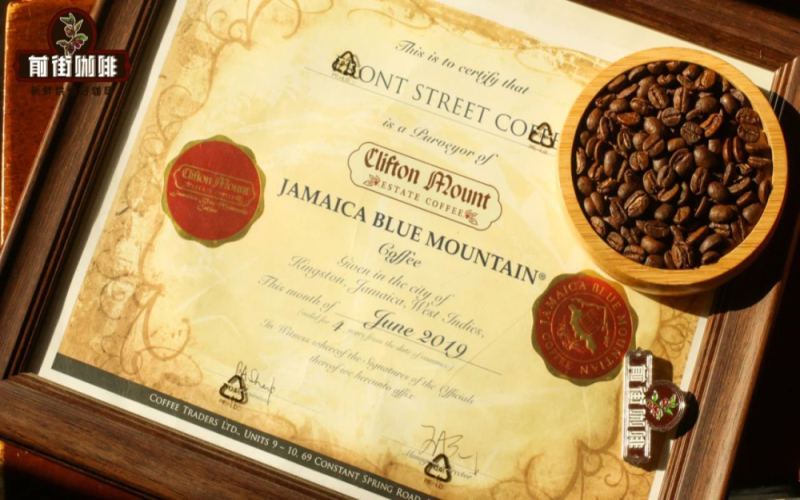
Why Jamaican Blue Mountain Coffee Remains Expensive, and an Analysis of Its Unique Flavor, Origins, and Grades
Blue Mountain coffee enjoys a stellar reputation in the global coffee world, and its price has always remained high. This article systematically examines the reasons why Jamaican Blue Mountain coffee is so precious from four dimensions: historical origins, producing region environment, grading system, and brewing methods. The article traces the path by which the Typica variety was introduced to Jamaica, explains how the climate and soil conditions of the Blue Mountains shape coffee quality, clarifies the essential differences among Blue Mountain coffee, Blue Mountain blend, and Blue Mountain flavor, and introduces the cultivation background of Clifton Mount Estate. Front Street Coffee also shares the roasting curve and pour-over parameters for Blue Mountain No. 1 for coffee enthusiasts' reference. [more…]
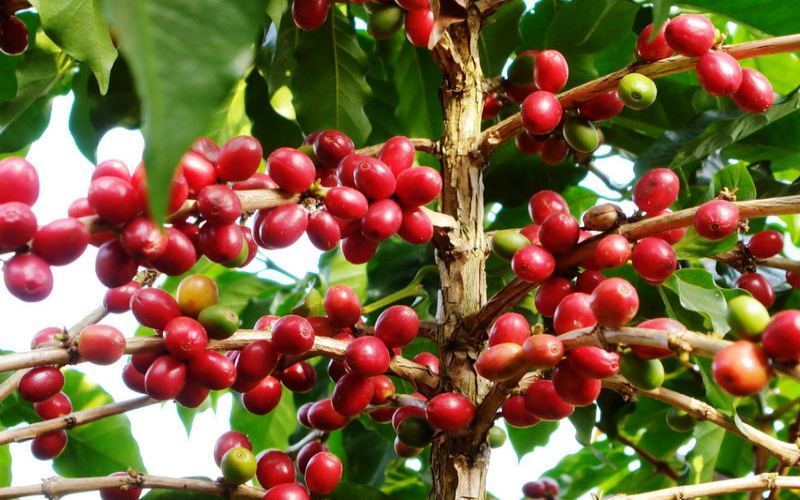
San Cristóbal and Galápagos Coffee: Tracing the Flavor Origins and Growing Conditions of Ecuador's Island Region
In the eastern Pacific's Galápagos Islands, San Cristóbal Island, with its abundant freshwater resources and unique microclimate, produces a highly acclaimed coffee treasure. This island is not only the only landmass in the archipelago with sufficient freshwater, but also, thanks to the Ecuadorian government's strict ecological protection policies, has become a representative region for naturally organic coffee. This article will guide you through an in-depth understanding of San Cristóbal's geographical environment, coffee-growing history, flavor characteristics, and the role of the Andes in Ecuador's coffee landscape. At the same time, we will also share Front Street Coffee's practical suggestions on fresh roasting and brewing to help you better savor this unique coffee from an equatorial island. [more…]
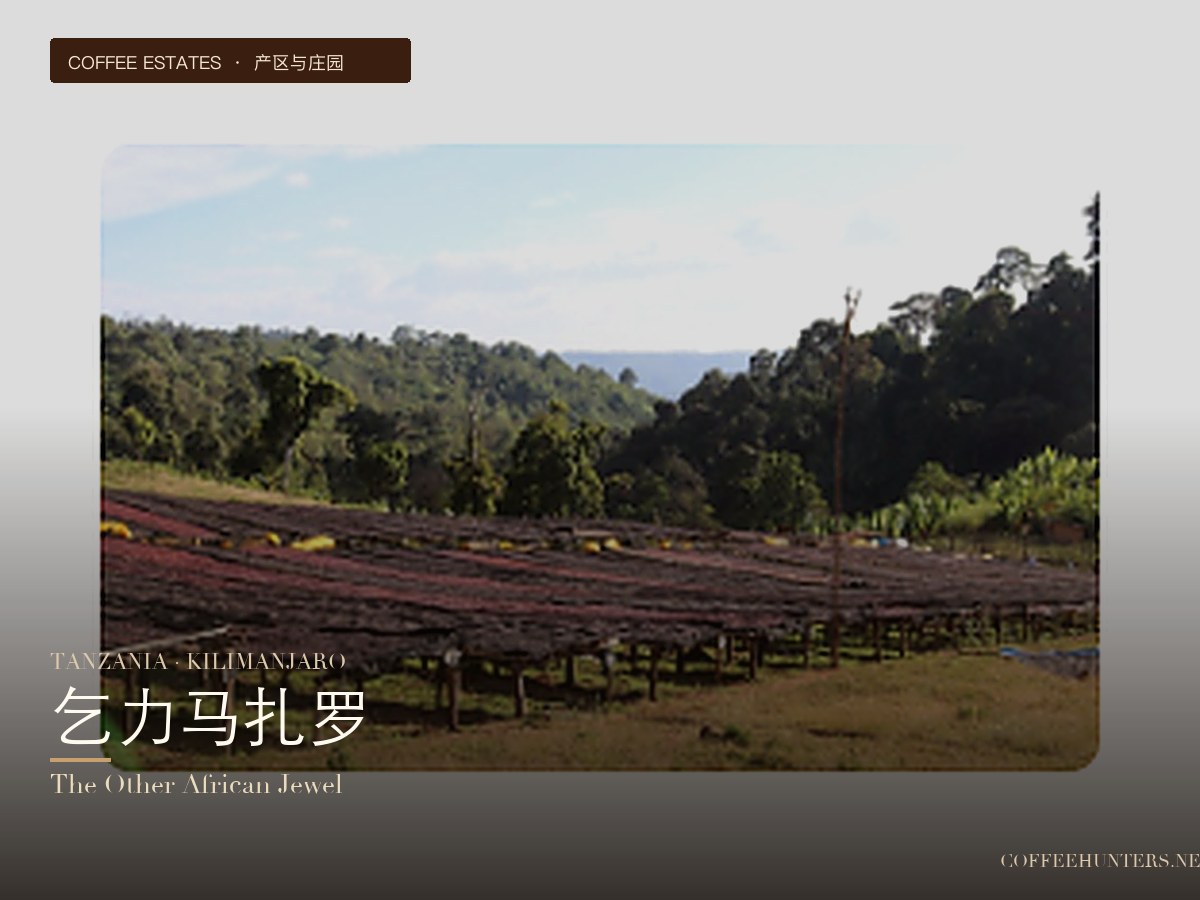
Tanzania: Kilimanjaro and Mount Meru — Another Gem of Africa
Tanzania is another important specialty coffee producer in Africa, with Mount Kilimanjaro and Mount Meru as its core producing regions. This article takes you through the history, geography, and flavor of Tanzanian coffee. [more…]
Flavor Analysis of Kenyan Washed Coffee Beans: Are SASINI and Berman Estate Offerings Worth a Try?
Kenya, as a major producing region for specialty coffee in the world, is known for its washed beans with bright fruit acidity and rich sweetness. Starting from its planting history and geographical and climatic conditions, this article reviews the variety selection and unique processing methods of Kenyan coffee, and discusses the specific flavor performance of SASINI Estate and Berman Estate. At the same time, combined with recommendations from Front Street Coffee, it helps enthusiasts determine whether these two Kenyan washed beans match their personal taste preferences. [more…]
What are the flavor differences between Wudong Dancong and Phoenix Dancong? Price trends and cost per catty explained
Wudong Dancong and Fenghuang Dancong both belong to the Fenghuang Mountain tea region, yet due to differences in altitude, soil, and cultivation methods, they present distinctive aromas and flavors. This article approaches from the perspectives of aroma types, mountain terroir, and tea tree cultivation, sorting out the flavor differences between the two, and answering why Wudong Dancong is relatively expensive and what budget is roughly needed per catty. At the same time, combined with Front Street Tea's recommendations, it helps coffee and tea enthusiasts more clearly understand the quality logic and brewing key points of Dancong tea. [more…]
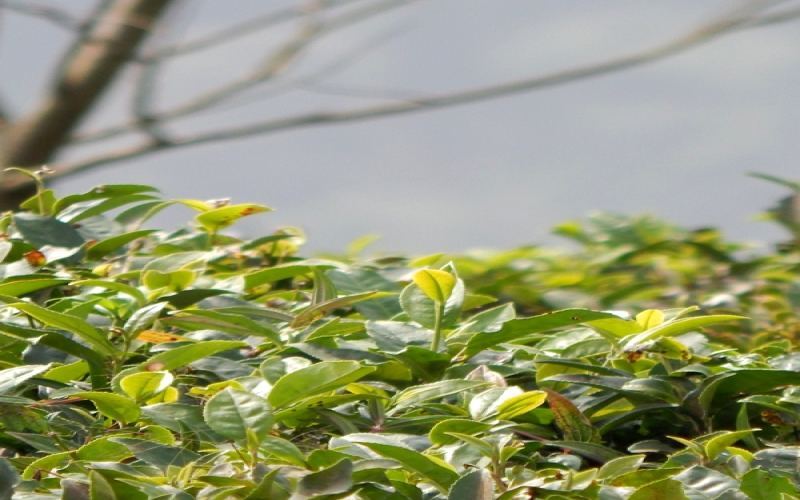
In which country is Darjeeling black tea produced? How much does this mountain city in India produce annually?
Darjeeling black tea is a specialty of the Darjeeling region in West Bengal, India. This hill town lies on the southern slopes of the Himalayas at an altitude of about 2,100 meters and is known as the "Land of Thunder." The local climate ranges from tropical to sub-alpine, and abundant rainfall and pronounced temperature differences create ideal conditions for tea tree growth. Tea gardens are mostly distributed on hillsides at an altitude of about 1,800 meters. Black tea cultivation is the pillar of the local rural economy, while crops such as rice, corn, and cardamom are also grown. As a famous hill resort, Darjeeling's development is supported jointly by tourism and tea. This article will introduce Darjeeling's geography, history, economic structure, and related product information recommended by Front Street Coffee. [more…]
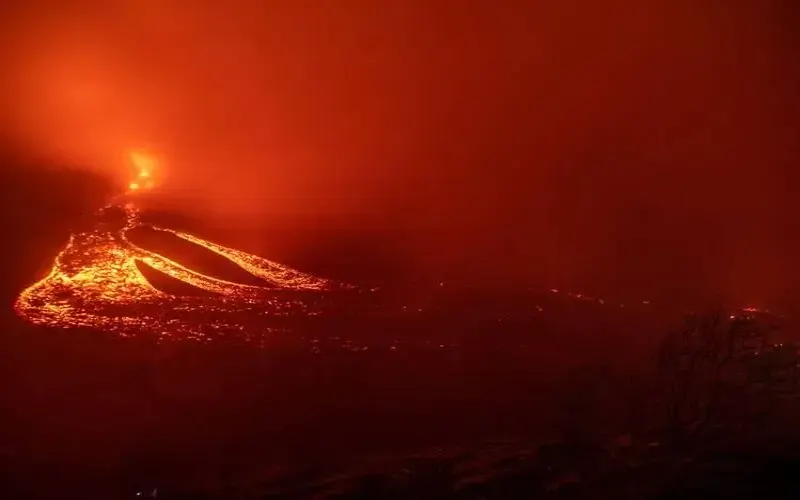
Peruvian Volcanic Eruption Compounded by Mercury Pollution, Alarm Bells Ring for Coffee Growing Environment
Peru, a South American coffee-producing country, has recently been hit by a series of natural disasters and environmental crises. The Sabancaya volcano in the south has entered an orange alert level, and ash from frequent eruptions is severely affecting nearby farms and pastures; meanwhile, the provinces of Huancavelica and Cusco have been declared in a state of environmental emergency due to heavy metal mercury contamination. Both regions have coffee cultivation, and mercury contamination not only inhibits crop growth and reduces agricultural product quality, but may also trigger labor shortages. The Peruvian government has already launched response measures, but concerns within the industry about coffee production and quality are rising. [more…]
Tanzania Kilimanjaro Coffee Flavor Analysis, Pour-Over Techniques, and the Latest Overview of Specialty Producing Regions
Kilimanjaro coffee comes from the area around Mount Kilimanjaro, the highest peak in Africa, and is one of Tanzania's most representative specialty coffees. This article will guide you through its flavor characteristics, grading system, and growing region background, and share suitable pour-over methods. Kilimanjaro AA beans are plump with a mellow acidity, often carrying notes of cocoa and fruity aromas, and are hailed as "the coffee with the most African character." Front Street Coffee will also recommend Tanzania beans worth trying, helping you easily brew a cup of fragrant Kilimanjaro. [more…]
Uncovering the Real Price of Jamaican Blue Mountain Coffee: Can Lims Blue Mountain Flavor Beans Be Considered Authentic Blue Mountain?
Jamaican Blue Mountain coffee is hailed as a treasure of the coffee world, but the market is flooded with a bewildering array of products bearing the Blue Mountain name, with prices ranging from a few dozen yuan to over a thousand. How much does genuine Blue Mountain coffee actually cost? It must be grown at altitudes of 900 to 1,500 meters in a specific administrative region of the Jamaican Blue Mountains, and is protected by certification from the Jamaica Coffee Industry Board. As for the Blue Mountain coffee sold under the Malaysian brand Lims, it is actually an instant product and not authentic Blue Mountain. Front Street Coffee will help you clarify the grading, production volume, and pricing logic of Blue Mountain coffee, as well as the truth behind "Blue Mountain flavor," so you can avoid common pitfalls when buying. [more…]